
the field notes
Blog& notes
Original commentary on the cornerstone research that shapes TWIN. Not summaries. Not hot takes. The five studies we keep coming back to — and what they mean for East Harlem.
 Civic Engagement 5 min
Apr 2026
Gen Z is the most opinionated generation. So let's get y'all in the right rooms.
Gen Z talks to lawmakers, signs petitions, and turns out to vote at higher rates than any generation on record. The problem isn't apathy — it's access. Here's what TWIN's Policy & Civic Engagement Initiative is doing about it.
 Mentor Science 6 min
Apr 2026
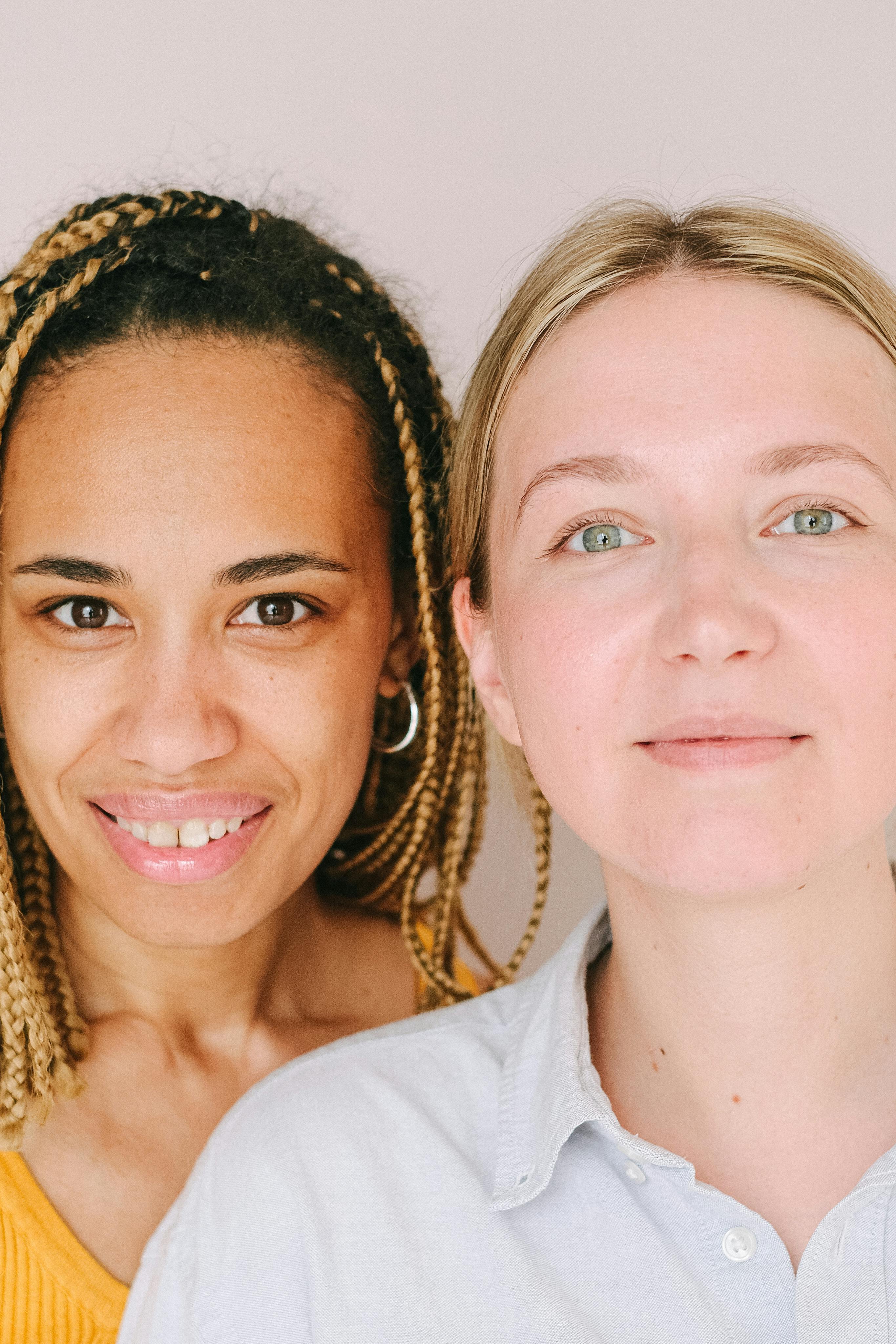
"You can't be what you can't see." The Bandura science behind TWIN mentorship.
This isn't a metaphor. Albert Bandura proved in 1961 that children imitate adult behavior they observe — without being taught or rewarded. Here's why that single 60-year-old finding determines everything about how TWIN pairs mentors and mentees.
 Intervention Window 4 min
Apr 2026
The 13-to-17 window: why TWIN's age range is calibrated to the research
The Seals findings are clear: gang participation responds to unemployment only at ages 16–17 — the first age of legal employment. That makes the window before formal employment age — 13 to 15 — the optimal intervention point. Here's why TWIN built its program around that exact range.
 Program Evidence 6 min
Apr 2026
READI Chicago & the first real evidence that mentorship + cash changes shooting involvement
A randomized controlled trial from Heartland Alliance showed that paying the highest-risk young men a living wage, pairing them with CBT, and assigning them a credible mentor reduced shooting involvement. This is the bedrock TWIN is built on.
 Aspirations 5 min
Apr 2026
The UCLA RISE Study: aspiration is a protective health factor
929 low-income minority youth. One question: what do you want to be? The ones who could answer were statistically less likely to use alcohol, use drugs, or fight — even when their grades were identical to the youth who couldn't.
 Exposure 5 min
Apr 2026
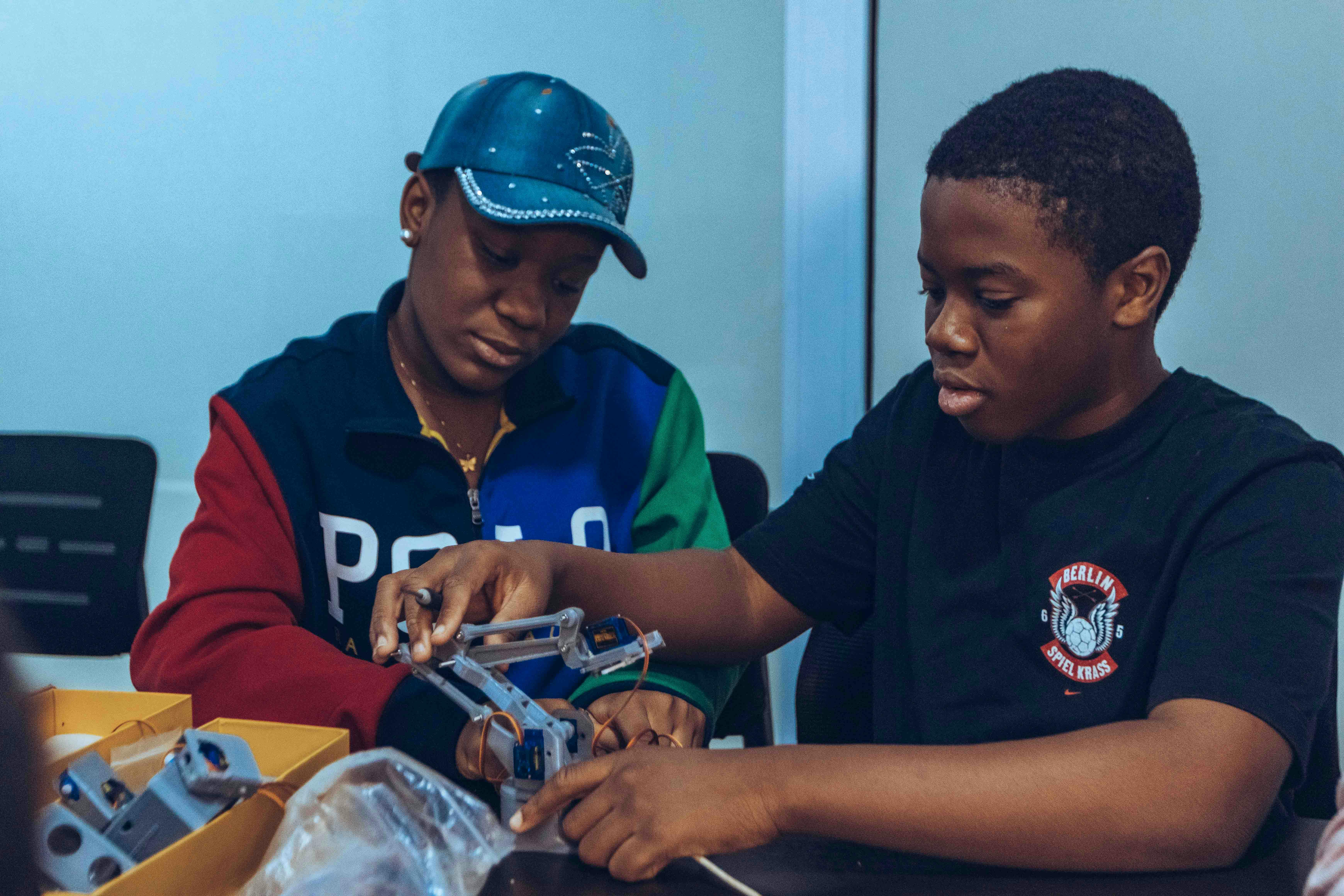
The exposure gap: why talent doesn't predict who becomes an inventor
Chetty's Equality of Opportunity Project asked who becomes an inventor in America — and found that the single biggest predictor is not talent, not grades, not neighborhood safety. It is whether you saw inventors up close when you were young.
 Environment 6 min
Apr 2026
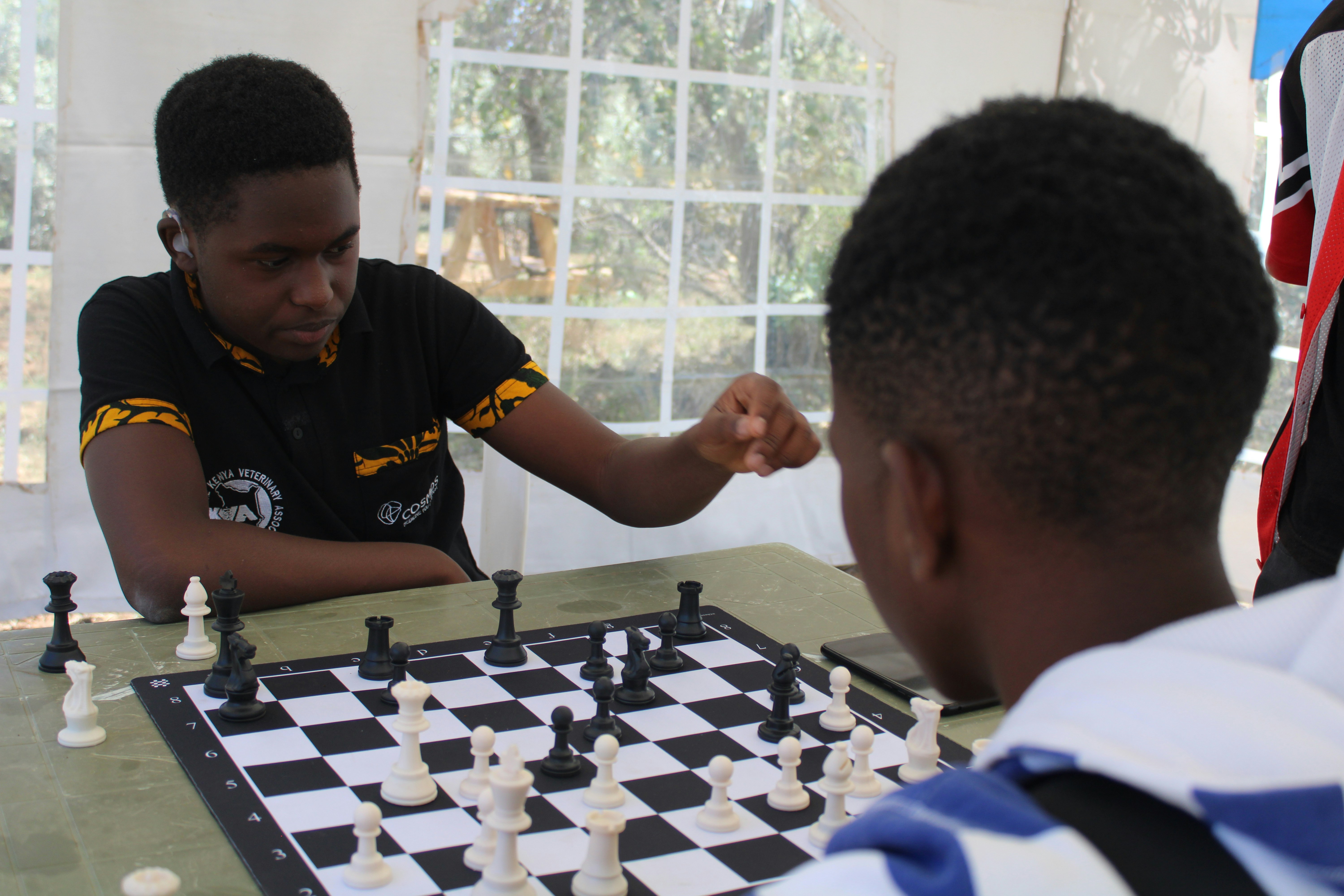
Moving to Opportunity: what happens when you change a kid's block
A federally funded randomized trial moved low-income families out of high-poverty neighborhoods and tracked the children for decades. The finding: environment, not individual pathology, was the variable that predicted outcomes.
 Community Data 7 min
Apr 2026
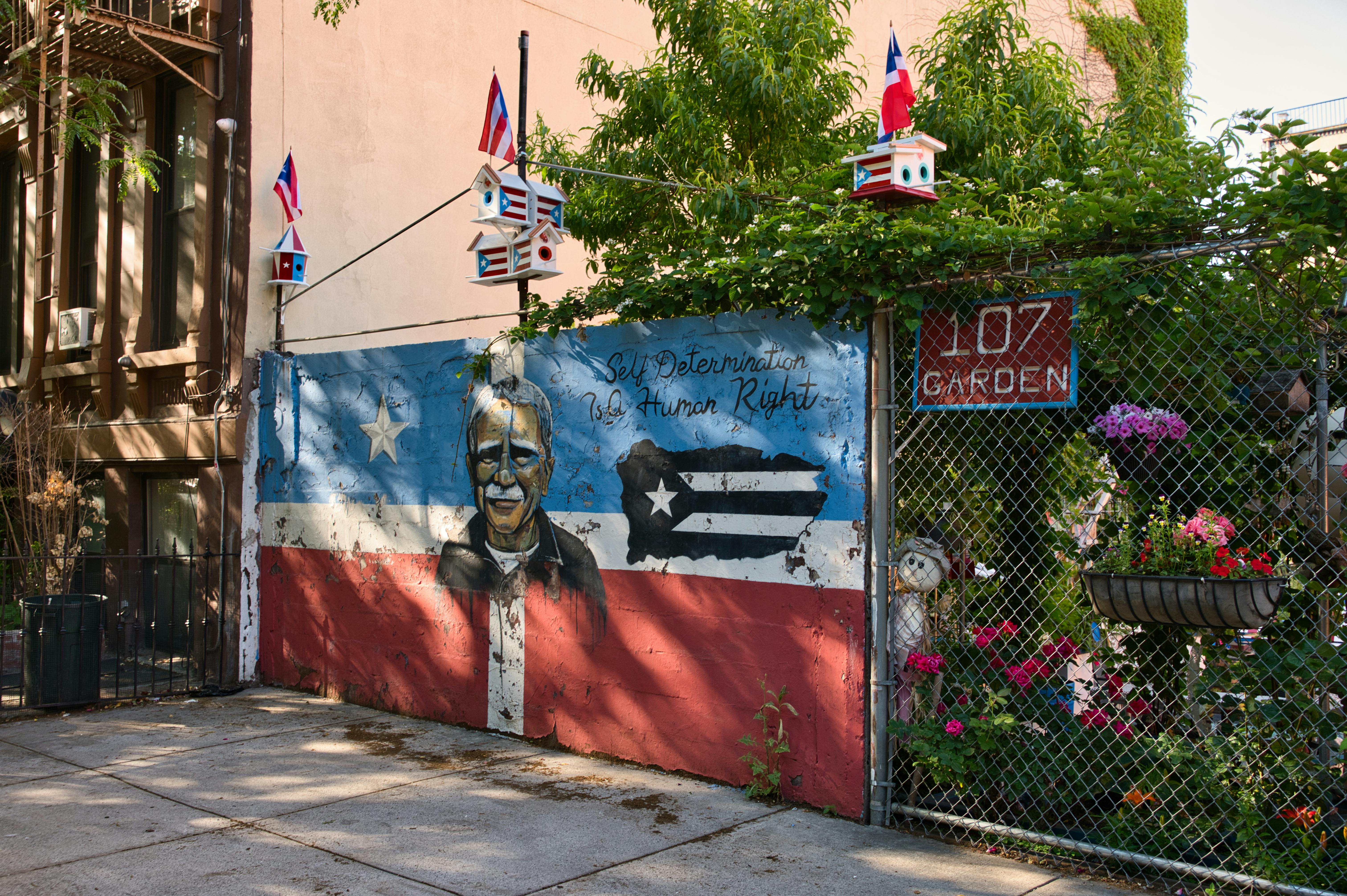
East Harlem, 2011: the needs assessment that told us exactly what to do — and wasn't funded
Fifteen years ago, the Harlem Community Justice Center produced the most comprehensive community-level diagnostic of juvenile gang conditions in East Harlem ever written. Its recommendations were specific. They were largely not built. TWIN is what happens if we finally listen.
Let’s build
something lasting.
Whether you’re a changemaker, a funder, a CUNY partner, or a 16-year-old in East Harlem wondering if any of this is real — start a conversation. No pitch deck required.