
East Harlem, 2011: the needs assessment that told us exactly what to do — and wasn't funded
Fifteen years ago, the Harlem Community Justice Center produced the most comprehensive community-level diagnostic of juvenile gang conditions in East Harlem ever written. Its recommendations were specific. They were largely not built. TWIN is what happens if we finally listen.
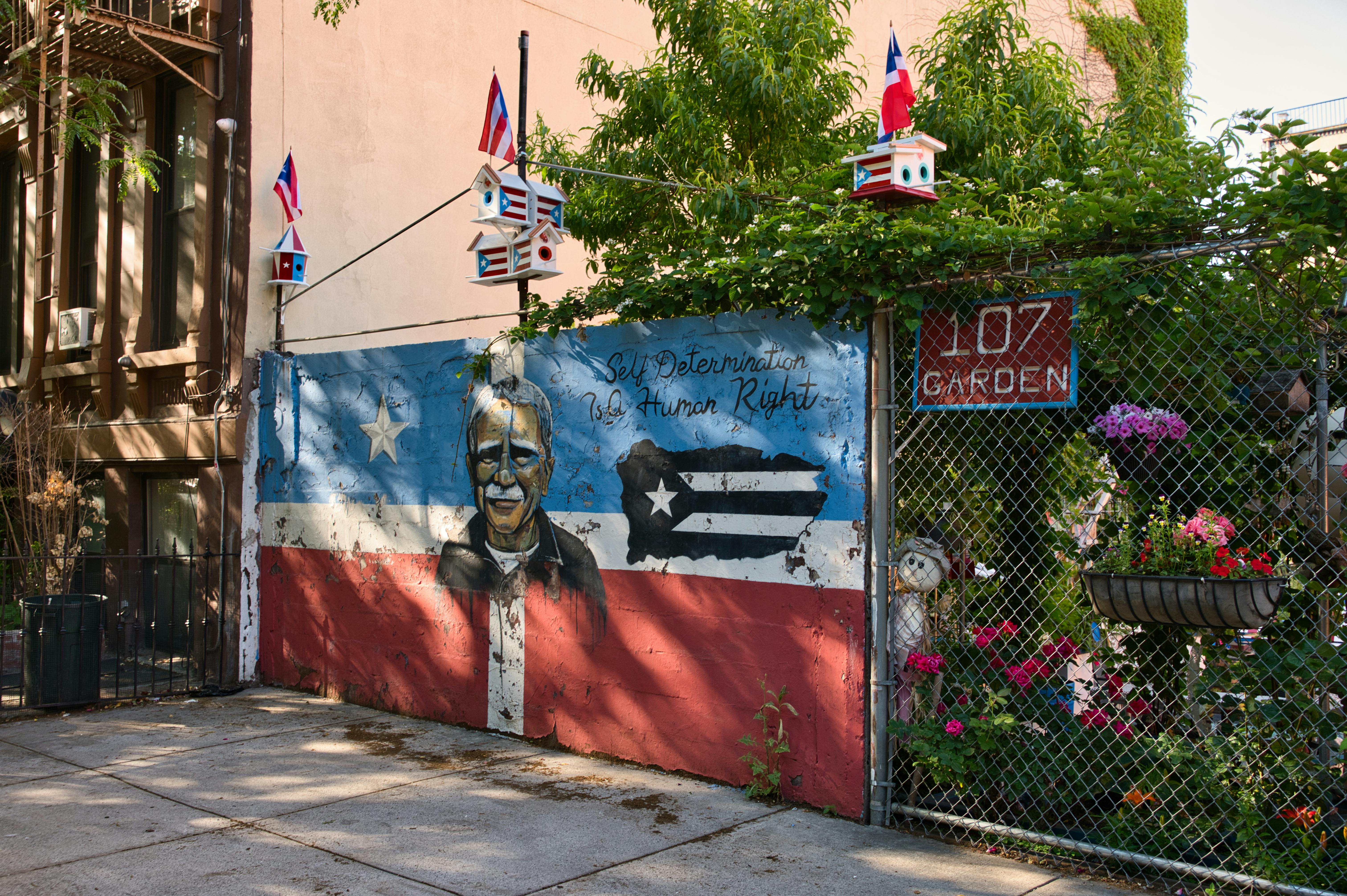
In 2010, the Harlem Community Justice Center — a project of the Center for Court Innovation — convened the East Harlem Juvenile Gang Task Force: a cross-sector coalition of city agencies, elected officials, schools, faith organizations, and legal advocacy groups. Their mandate was to produce a community-level diagnostic and a strategic plan. The resulting 2011 report is, fifteen years later, still the most comprehensive document of its kind ever written about East Harlem youth.
What the 2011 assessment documented
juvenile gangs operating across 16 NYCHA developments with 16,000+ units
of East Harlem children living below the federal poverty line
East Harlem’s score on the OJJDP Community Disadvantage Index — poorer than 100% of communities nationally
youth surveyed directly about their perceptions, experiences, and prevention preferences
What the youth themselves said would work
The 2011 survey asked young people directly: what would actually prevent gang involvement? Their top answers were not what most program designers assumed. They were concrete, practical, and largely unglamorous.
47% said: help kids learn to say no to peer pressure. 45% said: explain the dangers of gangs clearly. 44% said: teach nonviolent problem-solving. 43% said: more job training and more jobs. 39% said: more after-school, evening, and weekend activities. 33% said: mentoring for kids in difficult family situations. This is a program specification. It has been sitting in a PDF for fifteen years.
What happened in those fifteen years
Some of the 2011 recommendations were implemented. Summer Youth Employment expanded. A handful of mentoring pilots ran and ended. But the systemic, sustained intervention the report called for — long-term relational mentorship, structured safe spaces linked to academic and career pathways, street-based outreach embedded in the NYCHA developments themselves, programming calibrated to the specific high-risk population the assessment identified — was never stood up at the scale the evidence demanded.
Meanwhile, the underlying conditions persisted. Public housing density in the neighborhood is unchanged. Chronic absenteeism in District 4 schools remains high. Family court filings from Community District 11 still cluster at the top of citywide rankings. The 2011 diagnosis did not age out. It aged in.
“The 2011 report's recommendations remain largely unimplemented at the scale the assessment called for. EDEP and TWIN are the attempt to implement them — systematically, measurably, and with community validation built into the design from the start.”
— TWIN Initiative Model, Origin
The 2026 follow-up
This year, TWIN is running the first structured follow-up to the 2011 assessment. The methodology is deliberately different: instead of surveying current 14-year-olds (the 2011 report already did that), we are interviewing adults aged 18–40 who grew up in these same NYCHA developments. The research question is one the original report could not answer: if we had built what you said you needed, would it have worked on you?
The answer to that question is not rhetorical. It is the empirical test of whether EDEP deserves to scale. If you lived this childhood and want to be part of the record, the Street Survey page is where that record gets made.