
The exposure gap: why talent doesn't predict who becomes an inventor
Chetty's Equality of Opportunity Project asked who becomes an inventor in America — and found that the single biggest predictor is not talent, not grades, not neighborhood safety. It is whether you saw inventors up close when you were young.
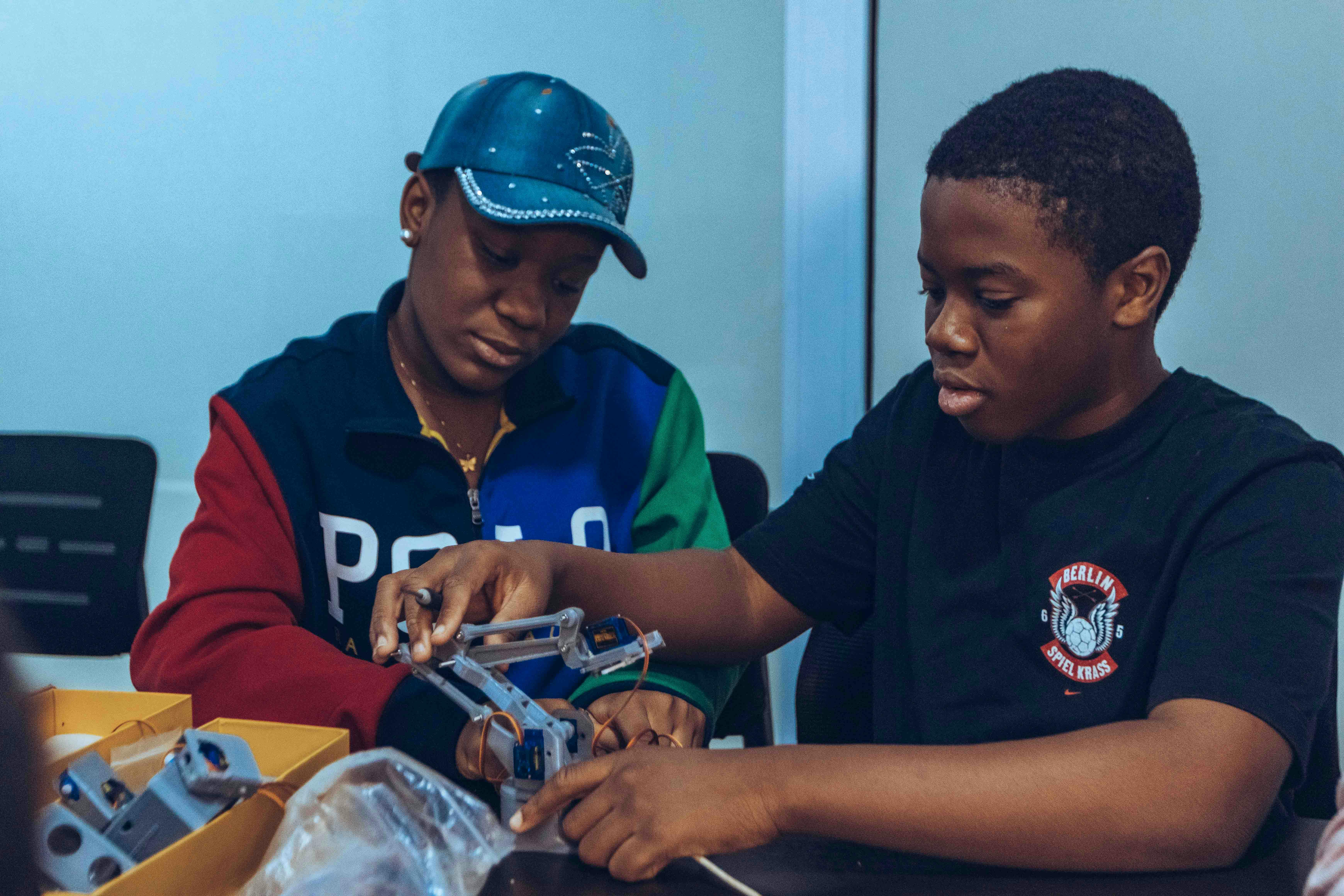
The Equality of Opportunity Project, led by Raj Chetty at Harvard, is the closest thing American social science has produced to a universal field theory of mobility. Its 2017 paper on inventors asked a specific question: who, in this country, grows up to patent technology — and why? The answer reshapes how any serious youth program has to think about its mission.
The numbers
more likely: children from high-income families becoming inventors, vs. low-income
more likely: white children vs. Black children
the size of the gender gap in invention — if girls had equal early exposure to female inventors
What Chetty found
When the researchers controlled for math and reading test scores in third grade, the gap between rich and poor high-scoring kids did not close. High-scoring low-income children were still dramatically less likely to end up as inventors than their high-scoring high-income peers. Talent was not the variable. Exposure was.
Children who grew up in neighborhoods with a high density of adults working in a specific field were significantly more likely to end up patenting in that same field. Not a related field. The same field. The physical, relational presence of a working professional in a child's daily environment was the strongest observable driver of whether that child ended up in that profession.
Why the campus is the intervention
This is why EDEP does not operate in a community center or a school classroom. It operates on a CUNY campus. The building itself is the curriculum. The library, the cafeteria, the hallway conversations between students on the way to class, the faculty office hours — these are the variables the Chetty data identifies as decisive. No amount of college-prep worksheets can replicate what a teenager absorbs from spending three years of afternoons inside a working university.
“Exposure is the primary variable — not talent, not grades. Children who have never been in environments where success is visible and legible develop lower self-efficacy beliefs, which constrain the decisions they make.”
— TWIN Needs Assessment, Sec. 4
What this means for funding
If exposure is the primary variable, and a university campus is the highest-density exposure environment available to a 14-year-old, then any youth program that does not include sustained time on a college campus is leaving the single most powerful intervention lever on the table. Every tutoring program, every after-school club, every enrichment class has to compete with that fact. TWIN does not compete with it. TWIN is built on it.